


The Quiet Rule for Layering Throw Blankets So a Room Looks Intentional
A throw blanket looks intentional when its size, texture, and fold contrast with what it sits on. Match everything and it disappears. The quiet rule is simple: create one clear point of difference, then let the fold do the rest. Here is how to apply it without overthinking.
Why a throw often looks like an afterthought
Most throws end up in a sad rectangle draped over a sofa arm. The problem is not the blanket. It is that it matches the sofa in colour, sits at the same visual weight, and is folded into a neat block that reads as tidy rather than styled. A throw earns its place by adding something the sofa does not already have.
Pick one point of contrast
Choose a single way for the throw to stand out. If your sofa is smooth, pick a textured knit or a nubby weave. If your sofa is neutral, add a throw with depth of colour or a subtle pattern. If your sofa is patterned, keep the throw plain so the eye can rest. Trying to contrast on colour, texture, and pattern at once usually looks busy.
- Smooth sofa, textured throw.
- Neutral sofa, richer or deeper throw.
- Patterned sofa, plain throw.
Scale is what most people get wrong
A throw that is too small looks like a napkin on a large sofa. A common comfortable size drapes over one corner and pools slightly, rather than sitting stiff and flat. When in doubt, go a size up. You want enough fabric to fall in soft folds, because folds catch light and read as inviting. A tight, undersized throw does the opposite.
The fold does the styling
Forget the perfect square. Three drapes look intentional far more easily than a neat block. Fold the throw in half lengthwise, then lay it diagonally across one corner of the sofa so one end pools near the seat. Or drape it over the back so it falls unevenly. Or fold it loosely into thirds and lay it flat over the seat with the folded edge facing out. Slight asymmetry reads as lived in, not messy.
Weight changes the whole feel
Heavier weaves fall into structured folds and look substantial. Lighter throws drift and suit warmer rooms and summer months. If your throw is meant to be used, not just seen, weight also decides whether it feels cosy or just decorative. A blanket you never reach for is decor. A blanket you reach for nightly is both decor and comfort, which is the better investment.
Where a throw actually belongs
The sofa arm and back are the obvious spots, but a throw earns its keep in other places too. Folded at the foot of a bed it adds a layer of texture and colour. Over the arm of a reading chair it signals the chair is for lingering. Draped in a basket near seating it invites use. Spread one thin and you have a versatile piece rather than a single-spot prop.
The short version
Contrast once. Size up. Let the fold be slightly imperfect. A throw blanket that follows those three moves will make a room feel considered without you buying anything else. It is one of the cheapest ways to shift a room from bare to warm.
Frequently asked questions
What size throw blanket suits a three-seater sofa? A larger throw, roughly wide enough to drape over one corner and pool at the seat, works best. Undersized throws look lost on a big sofa, so size up if you are unsure.
Should a throw match the cushions? It should relate to them, not match exactly. Pick up one colour from a cushion in the throw, or echo a texture, so the pieces feel connected without looking like a set.
How do I stop a throw from sliding off the sofa? Drape it over the back or arm rather than laying it flat on a smooth seat. Heavier weaves grip better than slippery light ones, and tucking one end behind a cushion helps.
Can one throw work in more than one room? Yes. Neutral colours and mid-weight weaves move easily between a sofa, a bed, and a chair, which makes a single quality throw more useful than several cheap ones.
Related Posts
-
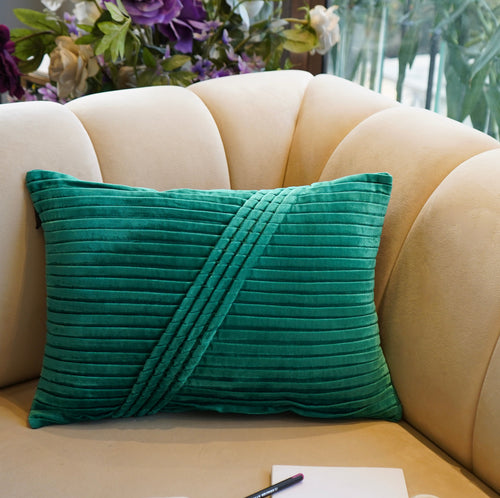
How Necklace Chains Really Tangle (And the Storage Habit That Stops It)
Chains tangle because a loose loop of metal will always try to pass through any gap wider than the clasp. Give a neck...
-
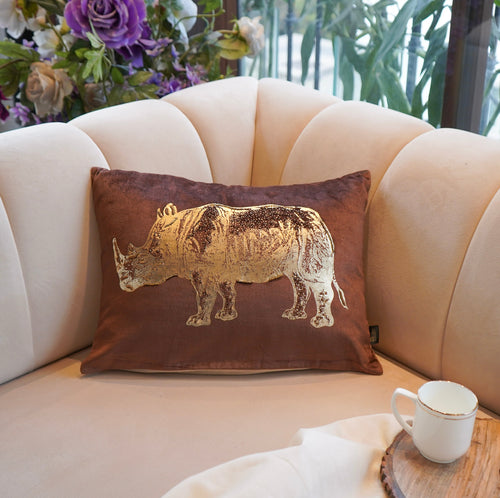
Why a Throw Blanket Slides Off Your Sofa (And the Fold That Fixes It)
If your throw blanket keeps sliding to the floor, the problem is rarely the blanket. It is friction. A smooth throw o...
-
Where to Actually Buy Luxury Home Decor Without Overpaying
Luxury home decor is not defined by the price tag. It is defined by materials, finish, and how an object feels in dai...
-
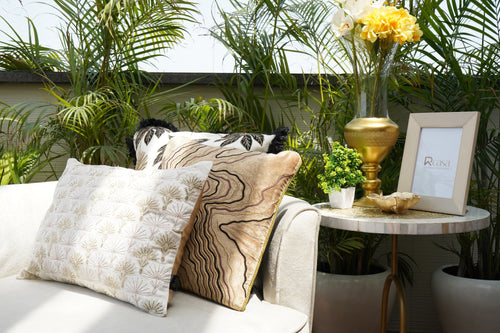
RCasa: Redefining Luxury Home Décor in India
In a market saturated with mass-produced designs and fleeting trends, RCasa stands tall as a game-changer—a premium h...
