


Festive Vase Styling: How to Arrange Flowers for Diwali So They Look Full and Last
For a festive arrangement that looks full and lasts, match the vase opening to the flowers, cut stems to roughly one and a half times the height of the vase, strip every leaf below the waterline, and change the water daily. In warm Indian weather, chrysanthemums, lilies and orchid stems usually outlast roses, so use roses as the accent rather than the base.
Start with the vase, not the flowers
Most arrangements fail because the vase and the stems do not suit each other. A few rules:
- Narrow neck: best for a few tall stems such as lilies, orchids or tuberose. The neck holds them upright with no extra support.
- Wide mouth: needs a lot of stems or a grid of tape across the opening, otherwise flowers flop to the sides.
- Cylinder: the easiest shape. It suits a loose bunch of a single flower.
- Sculptural or coloured glass: works best with very few stems, or none. A vase like the Twisted Rim Glass Vase in amber smoke is an object in its own right and can sit empty between festive arrangements.
The Silver Gradient Fluted Glass Flower Vase is a good all-rounder: a tall cylinder with a clear-to-silver gradient that suits both a full bunch of white flowers and a few single stems.
The height rule
A simple guide that works for most vases: the flowers above the rim should be about one and a half times the height of the vase. Shorter looks stubby; much taller looks top-heavy and tips. On a dining table, break the rule the other way and keep arrangements low, below eye level, so guests can see each other.
Flowers that last through Diwali week
Diwali often falls in warm, dry weather, and cut flowers wilt faster in heat. Long-lasting choices include:
- Chrysanthemums (guldaudi): in season around Diwali and among the longest-lasting cut flowers.
- Lilies: buy with buds still closed and they will open over several days. Remove the pollen-heavy stamens to avoid stains on cloth.
- Orchid stems: long-lasting and need very little arranging.
- Tuberose (rajnigandha): fragrant and traditional, though strong in small rooms.
- Marigolds: better for garlands, torans and urlis than for vases, as their stems are short.
Roses are beautiful but often wilt quickly in heat, so use a few as the accent within longer-lasting flowers.
Conditioning: the step most people skip
- Cut each stem at an angle with a sharp knife or secateurs, ideally under running water.
- Strip every leaf that would sit below the waterline. Submerged leaves rot and cloud the water within a day.
- Let the flowers drink in a bucket of cool water for an hour before arranging.
- Change the water every day and re-trim the stems every two or three days.
Where to put festive arrangements
- Entrance console: one tall arrangement, balanced by a lamp or candle holder on the other side.
- Dining table: low and wide, or several small vases in a line. See our guide to setting a dining table for Indian guests.
- Coffee table: a small vase with a few stems, so it does not compete with trays and sweets.
Keep arrangements away from direct sun, heaters and the top of the fridge, and away from lit candles. Fresh flowers near candle flames are a fire risk as they dry out.
Between festive arrangements
A sculptural vase does not need flowers to earn its place. A coloured or textured glass vase, such as our Sculpted Leaf Glass Vase in midnight blue, can stand empty or hold a few dried stems for the rest of the year. Browse all vases to pair one tall piece with a smaller one, which almost always looks better than a single vase on its own.
A simple festive arrangement in five minutes
If you have no time for conditioning and layering, this works with flowers bought on the way home. Take one tall cylinder vase. Buy two bunches of one flower in one colour, such as white chrysanthemums, plus three or four stems of something taller, such as tuberose or a single orchid stem. Trim the chrysanthemums so they sit just above the rim in a dome, then push the taller stems through the centre. One colour, two heights, one vase. It looks deliberate and lasts the week if you change the water.
Caring for glass vases
Cloudy marks inside a vase usually come from old flower water. Empty and rinse the vase every time you change the water, and wash it with warm soapy water between arrangements. For narrow necks, a bottle brush helps. Dry the outside with a soft cloth to keep metallic or gradient finishes bright, and avoid abrasive scrubbers on painted or coloured glass.
Frequently asked questions
How do I make a flower arrangement look full? Match the stem count to the vase opening. Wide mouths need many stems or a tape grid across the top; narrow necks need only a few tall stems.
How tall should flowers be compared to the vase? As a guide, the part above the rim should be about one and a half times the vase height. On dining tables, keep arrangements below eye level instead.
Which flowers last longest around Diwali? Chrysanthemums, lilies bought in bud, orchid stems and tuberose generally outlast roses in warm weather. Use roses as an accent.
How do I make cut flowers last longer? Cut stems at an angle, strip leaves below the waterline, let flowers drink before arranging, change the water daily and re-trim every few days.
Can I put flowers next to candles? Keep them well apart. Flowers dry out over a few days and become a fire risk next to an open flame.
Related Posts
-
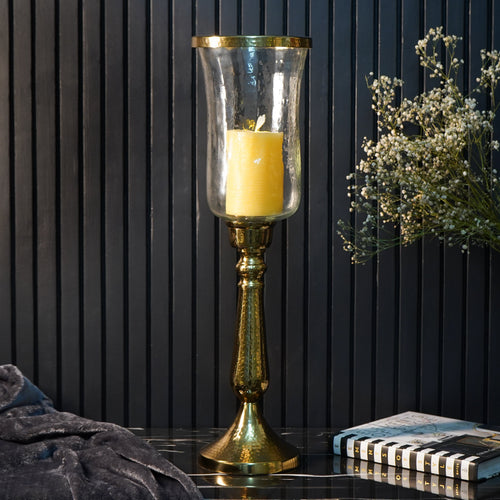
Diwali Lighting Beyond Fairy Lights: Candle Holders, Lanterns and LED Tealights Room by Room
Good Diwali lighting is layered. Use tall pieces such as hurricanes and lanterns to add height, tealights and diyas a...
-
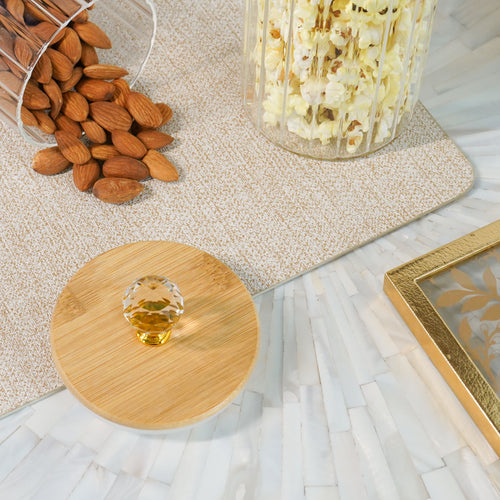
The Crystal Jar Lid Test: Why Some Seals Keep Contents Fresh and Others Fail Quietly
The glass gets all the attention, but the lid does the real work. A crystal jar can look flawless on a shelf and stil...
-
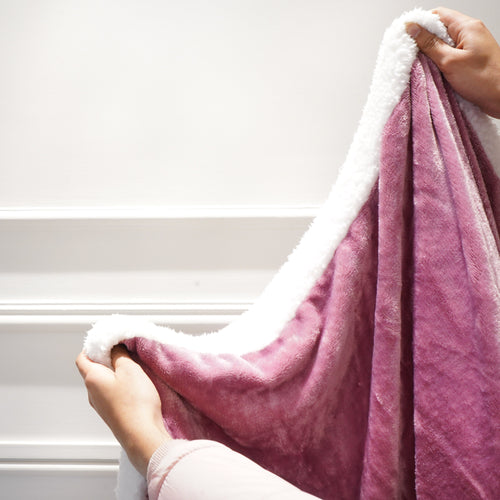
The Throw Blanket Edge Test: Why the Hem Decides How Long It Lasts
The fastest way to judge a throw blanket you cannot touch yet is to look at its edge. The hem or border is where a bl...
-
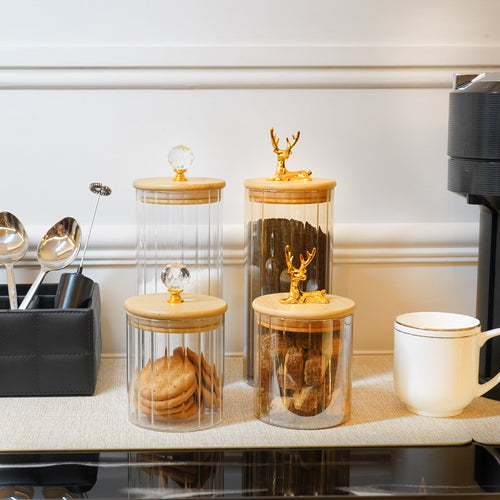
Transform Your Space with RCasa: Your Destination for Luxury Home Décor Online
When it comes to creating a home that reflects your unique taste and lifestyle, décor plays a pivotal role. At RCasa,...
