


How to Decorate an Urli for Diwali: Flowers, Floating Candles and Where to Place It
To decorate an urli for Diwali, fill it two-thirds with water, float one colour of petals across the surface, add three to five floating candles spaced apart, and place it where it is seen from the entrance but out of the way of feet and dupattas. Keep the arrangement simple. The bowl itself, whether brass or hammered metal, is part of the decoration.
What an urli is for
An urli is a wide, shallow bowl, traditionally in brass or bell metal, used to float flowers and diyas. In many Indian homes it sits at the entrance or in the puja room during festivals, and Diwali is when it comes out most. Its low, wide shape is what makes it work: the water surface reflects candlelight, and petals spread out rather than piling up as they would in a vase.
Step 1: choose the right urli for the spot
- Entrance or foyer floor: a larger, heavier bowl that will not tip if someone brushes past. Our Traditional Elephant Brass Urli, 8 inches is pure brass with elephant motifs around the rim, which gives it presence at floor level.
- Console, coffee table or dining table: a smaller bowl or a pair. The Hammered Urli Set in gold comes as two sizes that can be grouped together.
- Where water is a worry: a dry urli-style centrepiece avoids spills. The Gilded Wreath Centrepiece is a brass ring with a channel for petals and four perches for tealights or small pillars, so you get the look without water.
Step 2: flowers that float well
Marigold petals, rose petals and whole small flower heads float well and hold their colour for an evening or two. A few guidelines:
- One or two colours look calmer than five. Red rose petals with a few marigolds, or white flowers alone, read as deliberate. A full mix can look busy against a patterned brass rim.
- Cover about two-thirds of the surface. Leave some open water so the candles reflect.
- Add petals last, after the candles are placed, so you can see where the gaps are.
- Refresh daily. Petals soften and sink within a day or two. Scoop them out and replace them rather than adding more on top.
Step 3: floating candles, safely
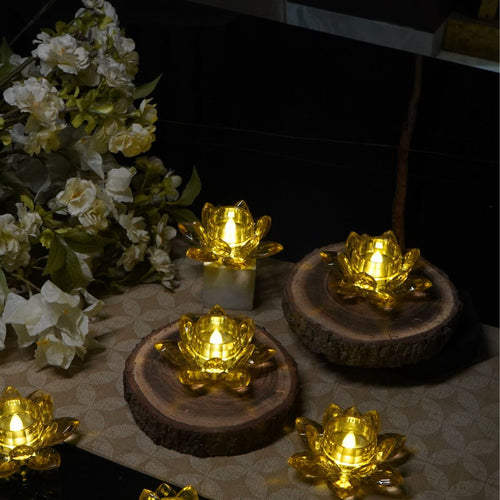
Use candles made to float, or tealights that sit steady on the water. Three in a small bowl and five in a large one is usually enough; too many crowd the petals and heat the rim. Space them so no candle touches a petal pile, and keep at least a hand's width of clearance above the bowl. Never leave lit candles unattended, and keep an urli with real flames off the floor if you have small children or pets. Flameless options such as LED lotus tealights give a similar glow without the risk, though most should not be submerged, so set them on the rim or use a dry centrepiece instead.
Step 4: where to place it
- Just inside the entrance, to one side of the door, so it is the first thing guests see without blocking the path.
- Near rangoli, either at its centre (for a dry centrepiece) or beside it, so the two read as one arrangement.
- On the dining or coffee table as a low centrepiece that does not block conversation.
- In the puja corner, where a small urli with flowers sits well beside the diyas.
Avoid spots directly under fans or by open windows if you are using real flames, and keep fabric, curtains and paper decorations well clear.
Caring for a brass or metal urli
Empty the water after the festival and dry the bowl completely, including the base and any decorative motifs where water collects. Our urlis carry the same simple care note: wipe clean with a soft, dry cloth. Avoid leaving water in the bowl for days at a time, and store it dry, wrapped in a soft cloth, until the next occasion. You can see the full range in our festival collection.
Three urli arrangements that work
- Classic: red rose petals across two-thirds of the water, three floating candles, a ring of marigolds around the base of the bowl on the floor.
- Minimal: white flowers only, such as small chrysanthemum heads or jasmine, with two or three candles. This suits modern interiors and a silver or hammered urli.
- Dry: petals or potpourri in a dry ring centrepiece with tealights on the perches, placed at the centre of a rangoli. No water, so it can sit in a busy entrance all evening.
Frequently asked questions
How do I decorate an urli for Diwali? Fill it about two-thirds with water, float one or two colours of petals, add three to five floating candles spaced apart, and place it where it is visible from the entrance but out of the walkway.
Which flowers are best for an urli? Rose petals, marigold petals and small whole flower heads float well and hold colour for an evening or two. Refresh them daily rather than adding more on top.
Where should an urli be placed at home? Popular spots are just inside the entrance, beside or at the centre of a rangoli, on the dining or coffee table, and in the puja corner. Keep real flames away from curtains and walkways.
Can I use LED tealights in an urli? Yes, but most LED tealights should not be submerged. Place them on the rim, on a dry centrepiece, or use a dry urli-style ring that holds petals without water.
How do I clean a brass urli after Diwali? Empty the water, dry the bowl thoroughly including the motifs, and wipe it with a soft, dry cloth. Store it dry and wrapped until next use.
Related Posts
-
Diwali Corporate Gifts People Keep: How to Choose Home Decor for Clients and Teams
The Diwali corporate gifts people keep are useful, well made and quietly branded, if branded at all. Home decor works...
-
Jewellery Box vs Organiser Box: Which One Your Collection Actually Needs
If you are searching for a jewellery box organiser, you are really choosing between two different jobs. One protects....
-
The Grid vs the Nest: Why Some Jewellery Organiser Boxes Ruin Fine Chains
If your delicate chains keep coming out kinked and your studs keep escaping, the problem is rarely you. It is the int...
-
5 Must-Have Luxury Decorative Items for Your Home
Transform your living space with luxury decorative items for home that reflect your particular taste and complement t...
