


What Actually Makes a Home Decor Photo Trustworthy When You Buy Online
You can judge a lot about an online decor product from its photos, if you know what to look for. Trustworthy listings show scale, real surroundings, and honest detail. Suspicious ones lean on lifestyle shots that hide the actual item. Here is how to read the difference before you buy luxury home decor online.
Scale is the first thing to check
Photos flatter. A small tissue box shot on a bare surface can look grand. A large organiser shot in a tiny frame can look compact. Look for a photo that places the item next to something familiar, like a hand, a book, or a coffee cup. If no photo gives you scale, rely on the listed dimensions and picture them against something you own. Never assume the photo size matches real life.
Look for a plain, honest angle
Good listings include at least one straight-on shot on a neutral background. This is the least flattering angle, which is exactly why it is trustworthy. It shows the true shape, proportions, and finish without mood lighting doing the selling. If every image is a dim, styled scene, ask why the seller avoids showing the item plainly.
- A flat, well-lit product shot on white or grey.
- A close-up of the material and any seams or joins.
- A photo in a real room for context.
Detail shots reveal quality
Zoom into the corners, edges, and joins. On leather or leatherette, look at stitching and how the material meets a seam. On wood, check the grain and how panels connect. On acrylic, look for clean edges rather than cloudy or rough ones. A seller confident in their finish will show these close-ups. A seller who only shows the item from three feet away may be hiding the finish.
Colour is the trickiest promise
Screens and lighting shift colour dramatically. A blue cushion cover can read teal on one screen and navy on another. Look for photos taken in daylight and in a room, not just a saturated studio shot. If colour matters to you, read the description for words like warm, cool, or muted, and check whether the brand notes that screens vary. Honest sellers say so.
Context photos should match reality
Styled room shots are useful for imagining the piece at home, but they can also mislead. A throw shown on a designer sofa in perfect light sets an expectation your living room may not meet. Use lifestyle shots for inspiration and use the plain shots and dimensions for facts. When both types agree, trust rises. When the styled shot looks far grander than the product shot, be cautious.
How we think about it at R-Casa
Our view is that photography should help you decide, not just seduce you. That means showing scale, showing the finish up close, and being honest about what a piece is. Luxury in home decor is about material and craft you can see, not just a mood board. A listing that lets you inspect the item earns more trust than one that hides it behind atmosphere.
The short version
Before you buy, find the scale, find the plain shot, zoom into the details, and treat colour as approximate. If a listing gives you all of that, you can buy with confidence. If it only gives you mood, slow down and read the dimensions twice.
Frequently asked questions
Why do products look different when they arrive? Usually lighting and screen calibration. Studio lights and screen settings shift colour and can flatter finishes. Reading dimensions and looking for daylight photos reduces surprises.
Are styled room photos misleading? Not always, but they set a mood the product alone may not deliver in your space. Use them for inspiration and rely on plain product shots and measurements for facts.
How can I judge material quality from a photo? Look for close-ups of edges, seams, stitching, and joins. Confident sellers show these details. If close-ups are missing, treat the finish as unknown.
What is the most reliable detail in any listing? The dimensions. Photos can flatter, but measured size does not lie. Picture the numbers against an object you already own before you decide.
Related Posts
-
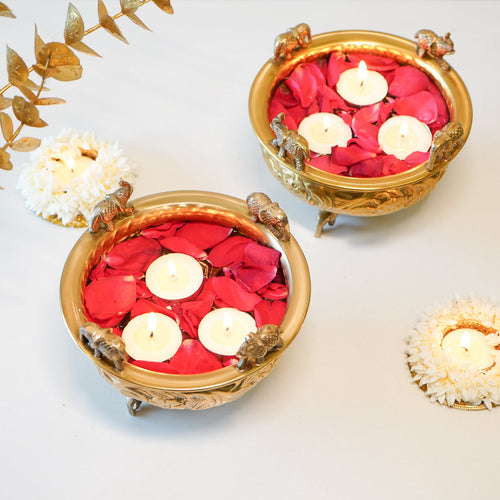
How to Decorate an Urli for Diwali: Flowers, Floating Candles and Where to Place It
To decorate an urli for Diwali, fill it two-thirds with water, float one colour of petals across the surface, add thr...
-
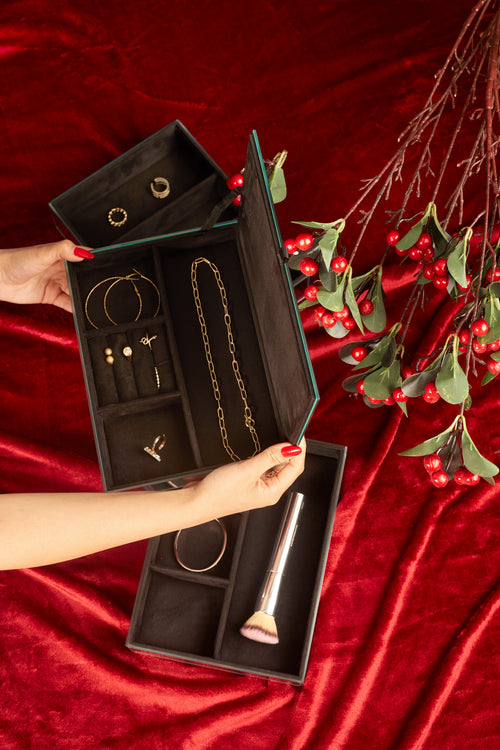
Jewellery Box vs Organiser Box: Which One Your Collection Actually Needs
If you are searching for a jewellery box organiser, you are really choosing between two different jobs. One protects....
-
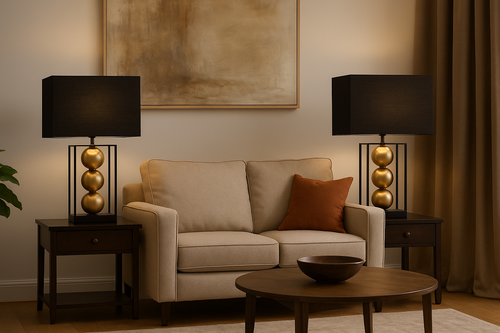
10 Stunning Ways to Style Lamps in Modern Indian Homes
Lighting is no longer just about function—it’s the soul of your home. In 2025, modern Indian interiors are embracing ...
