


From Festival Glow to Everyday Calm: The Indian Lantern, Reimagined in Steel
There's a reason a lantern never feels out of place in an Indian home. Long before fairy lights and dimmers, a single flame gathered people together—around evening stories, on verandas after the day's heat, in courtyards during the festival season. Today, the silhouette survives not as nostalgia alone, but as a design language: portable light, framed with intention. At RCasa, our steel lanterns honour that lineage while making sense for contemporary living—safe, durable, and quietly elegant.

A brief cultural memory
In India, the lantern has always been more than hardware.

-
Diwali & the welcoming light: Diyas at thresholds and lanterns by doorways signal abundance, safety, and hospitality. A lit entrance says "you're expected"—a sentiment that never goes out of style.
-
Courtyard evenings: Before grid power was universal, hurricane lamps and lanterns were the family's evening anchor—placed on a chowki while elders chatted and children played.
-
Travel & trade: Railways, dak bungalows, and coastal towns relied on lanterns for wayfinding and security. The form made its way into homes as a marker of reliability.
The modern home doesn't need a lantern to see; it chooses a lantern to feel. The object now carries the memory of gathering, translated into design.
Why stainless steel?
Traditional lanterns were brass, copper or tin. Stainless steel updates the idea without losing the intent.
-
Durability & weather resistance: Steel tolerates humidity, coastal air, and everyday handling better than many softer metals.
-
A cleaner profile: It holds crisp edges and slim frames, which pair beautifully with modern architecture.
-
Sustainable by nature: Steel is long-life and infinitely recyclable; combined with LED pillar candles, it delivers ambience with minimal footprint.
-
Care is easy: A soft cloth, no polishes. It ages gracefully without demanding attention.

RCasa steel lanterns often combine brushed or satin steel with ribbed or clear glass. The ribbed option diffuses light into soft bands—evoking the lyrical shadow play of oil lamps—while clear glass keeps things architectural and minimal.
The symbolism remains
Even when fitted with an LED, a lantern still reads as auspicious. Place one at an entry for Diwali, group two on a balcony for a winter evening, or light a single unit on the dining console before guests arrive. The message remains the same: welcome, warmth, continuity.
How designers "modernise" the lantern
Reappropriation isn't about decoration; it's about relevance. Here are ways the classic form becomes contemporary:
-
Linear geometry: Slim frames, precise corners, and a quiet palette (steel, black, or champagne) move the object from rustic to refined.
-
Mixed heights: Styling tall and small together introduces rhythm, like two notes in a raga—each accentuating the other.
-
Glass with character: Fluted, smoked, or lightly tinted cylinders soften LEDs and convert bright points into calm pools of light.
-
Portable ambience: Sturdy rings/handles retain the mobility of old hurricane lamps—carry from terrace to living, or to the puja corner at dusk.
-
Layered vignettes: Lanterns now sit on books, marble trays, or low pedestals; rose petals or potpourri around the candle add a festive accent without clutter.
Where they belong in a modern home
-
Entry & thresholds: One tall piece on each side of the door for the "arrival ritual."
-
Balcony/terrace: Two or three at varying heights; pair with planters for texture.
-
Dining & buffets: A narrow lantern at the console keeps sightlines clear but adds evening glow.

-
Puja & meditation corners: A small lantern with an LED preserves serenity without smoke.

-
Hallways & stair landings: A slim profile lantern works as a night-light with character.

-
Event styling: Lanterns are stackable, movable, and photogenic—ideal for small gatherings, Diwali parties, or weddings at home.
Styling notes the RCasa way

-
Keep it measured. One statement lantern can be stronger than many small objects.
-
Play with reflection. Position near a mirror or glossy stone to double the glow.
-
Mind the material mix. Steel with ribbed glass reads "modern-classic"; steel with clear glass feels "architectural." Choose based on your room's language.
-
Use warm LEDs. 2200–2700K colour temperature is the difference between harsh yellow and believable candlelight.
-
Add a quiet flourish. For festive days, drop a ring of petals around the candle base; remove post-season to return to minimal calm.
Safety & care
-
Prefer LED pillar candles for long evenings and child-safe homes.
-
After outdoor use, wipe the steel frame and glass with a soft, dry cloth. Avoid abrasives and acidic cleaners.
-
Store petals or potpourri separately—dry botanicals can mark the metal if left for weeks.
Choosing the right size
-
24–26 in tall: Statement at entryways and terraces.
-
18–20 in: Dining consoles, living corners, stair landings.
-
12–15 in: Coffee tables, bedside accents, clustered centrepieces.
RCasa sizes are proportioned to work solo or in pairs, so you can build a set over time—another nod to sustainability.
A note on craft
India's metalworking towns have shaped lanterns for generations. Our designs celebrate that craft lineage with contemporary discipline—measured proportions, honest materials, and finishes that age well. The goal is not a season's trend, but a quiet companion to many seasons.
The quiet luxury of light
In a world of bright switches, a lantern asks you to slow down. It doesn't shout; it glows. It invites you to gather, to notice, to belong—the very values we design for at RCasa. Whether you're creating a festive welcome or an everyday evening ritual, a steel lantern is a small object with a generous effect: a little circle of calm that turns a house into a home.
Explore RCasa's steel lanterns in varied heights and finishes, designed to live beautifully—inside and out.
Related Posts
-
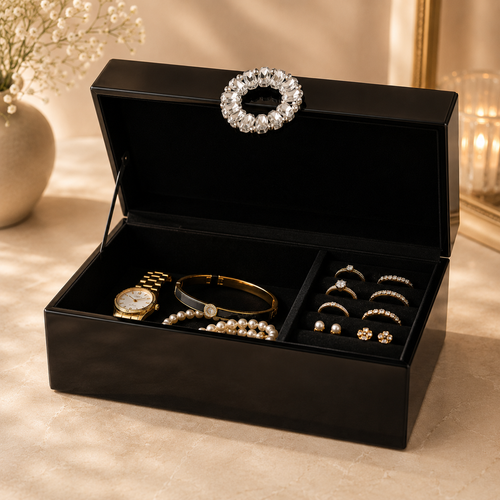
The Grid vs the Nest: Why Some Jewellery Organiser Boxes Ruin Fine Chains
If your delicate chains keep coming out kinked and your studs keep escaping, the problem is rarely you. It is the int...
-
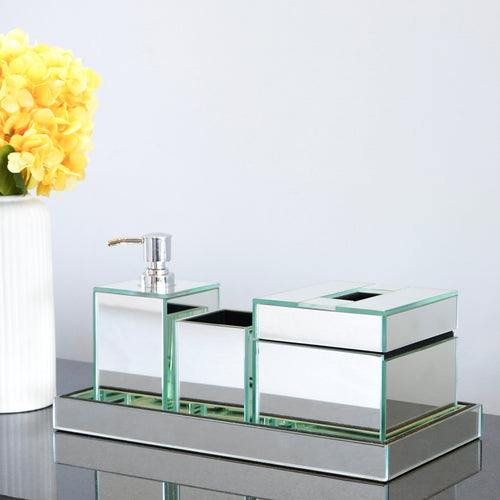
How to Organise a Bathroom Counter in India: A Practical Guide
The bathroom counter is one of the most-seen and least-considered surfaces in an Indian home. It is the first thing y...
-

Placemats with a Purpose: Elevate Everyday Dining
Your dining table isn’t just where meals are served; it’s where conversations unfold, routines slow down, and everyda...
