


How Many Cushion Covers Does a Sofa Actually Need?
Most three-seater sofas look best with three to five cushions, not the eight you see in showroom photos. The right number depends on sofa width, seat depth, and whether you actually sit there. Here is how to work it out instead of guessing.
Start with the width of the sofa
A simple rule works surprisingly well. For a two-seater, two to three cushions. For a standard three-seater, three to five. For a large sectional, five to seven spread across the corners. Beyond that you start covering the seat you are meant to use, and the whole thing tips into decoration rather than comfort.
Odd numbers usually read better than even ones. A trio feels intentional. A pair can feel like it is waiting for something. This is not a hard law, but it is a good default when you are unsure.
Size before colour, always
People pick colours first and end up with covers that do not fit their inserts. Decide on sizes first. An 18x18 cover is the workhorse of most sofas because it fits comfortably against a standard backrest without swallowing the seat. Larger 20x20 or 22x22 cushions suit deep, low sofas where an 18 inch would look lost.
Mix two sizes at most. A common combination is a pair of larger cushions in the corners with a smaller lumbar or square in the centre. Three sizes across a single sofa usually looks busy.
Layer by placement, not by pile
- Corners: your largest, most structured cushions go here to anchor the ends.
- Middle: a slightly smaller or contrasting cushion breaks up the run.
- Lumbar: a long rectangular cushion adds function if you actually lean back.
Resist stacking cushions in front of one another unless the sofa is genuinely deep. On a shallow seat it just means everything falls forward every time someone sits.
The insert decides everything
A good cover on a limp insert looks sad. Buy inserts one to two inches larger than the cover so the corners fill out and the cushion holds its shape. An 18x18 cover pairs best with a 19 or 20 inch feather or hollowfibre insert. This single detail separates a cushion that looks plump and considered from one that looks flat and tired.
At R-Casa we design covers around standard insert sizes for exactly this reason, so you are not left hunting for an odd filler that does not exist.
When to break your own rule
Rules bend for how you live. A family sofa used every evening should carry fewer cushions so nobody has to relocate them to sit down. A formal room used for guests can hold more, because comfort matters less than the picture. Be honest about which room you actually have.
If you find yourself moving cushions onto the floor each night, you have too many. Take one or two away and the sofa will look calmer and be more usable at the same time.
A quick starting formula
Divide your sofa width in inches by 24. Round to the nearest odd number. That is roughly how many cushions to aim for. A 78 inch three-seater lands near three, which is a safe, elegant base you can build from later.
Frequently asked questions
Is an even number of cushions ever fine? Yes, on symmetrical setups like a pair of matching accent chairs, an even number reads as deliberate. On a single sofa, odd numbers tend to look more relaxed.
What size cushion cover suits most sofas? The 18x18 is the most versatile because it fits standard backrests without overwhelming the seat. Only size up to 20 or 22 inches on deep, low sofas.
Should all my cushions match? No. Repeat one colour or texture across two or three cushions so they relate, then vary the rest. Full matching sets can look flat and shop-bought.
Why do my cushions look flat? The insert is probably the same size as the cover or smaller. Go one to two inches larger than the cover so the corners fill out.
Related Posts
-
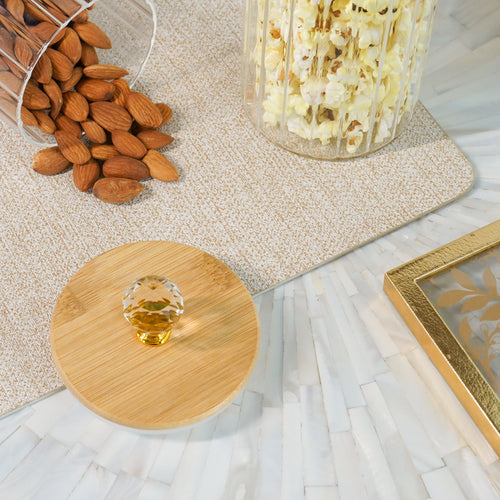
The Crystal Jar Lid Test: Why Some Seals Keep Contents Fresh and Others Fail Quietly
The glass gets all the attention, but the lid does the real work. A crystal jar can look flawless on a shelf and stil...
-
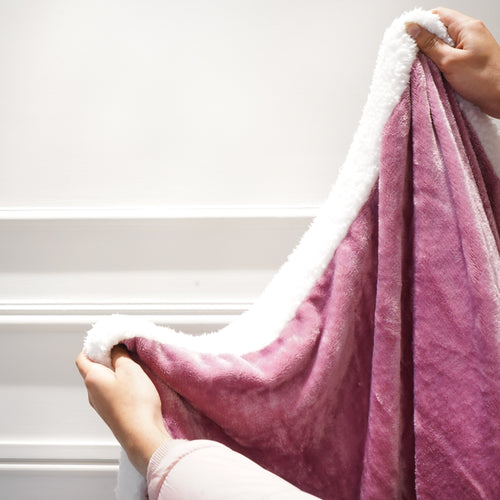
The Throw Blanket Edge Test: Why the Hem Decides How Long It Lasts
The fastest way to judge a throw blanket you cannot touch yet is to look at its edge. The hem or border is where a bl...
-
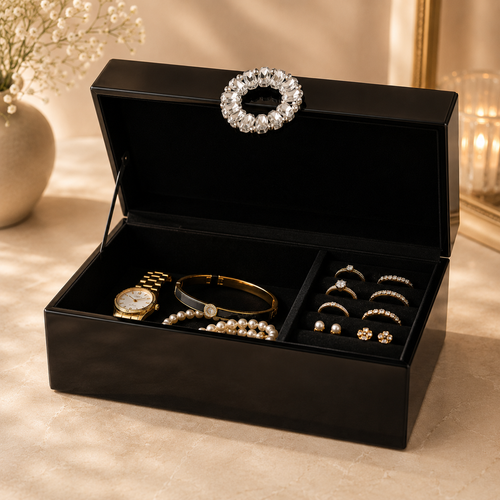
The Grid vs the Nest: Why Some Jewellery Organiser Boxes Ruin Fine Chains
If your delicate chains keep coming out kinked and your studs keep escaping, the problem is rarely you. It is the int...
-
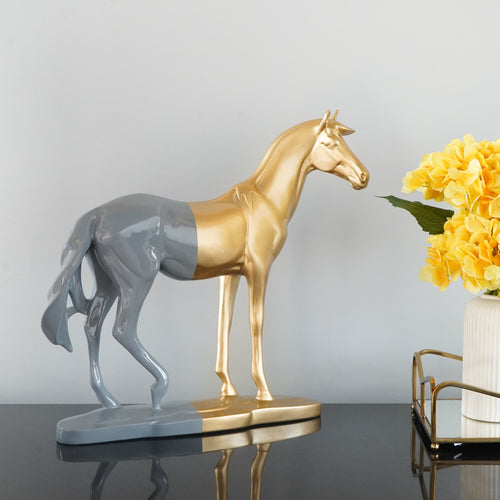
5 Must-Have Luxury Decorative Items for Your Home
Transform your living space with luxury decorative items for home that reflect your particular taste and complement t...
