


The Under-Sofa Truth About Throw Blankets: Weave, Not Just Weight
Most throw blanket guides fixate on weight. Grams per square metre, thickness, all the numbers on the tag. Here is what those numbers miss: two blankets of identical weight can feel completely different because of how they are woven. Weave structure decides warmth, drape and how well a throw survives a few winters. If you only read one spec, read the weave.
Why weight alone misleads you
Weight tells you how much material is there, not how it behaves. A tightly woven blanket at a given weight feels dense and flat. A loosely woven one at the same weight feels airy and warmer, because trapped air is what actually insulates. This is why people are surprised that a lighter blanket sometimes feels cosier than a heavier one. The air pockets do the work.
The three weave families to know
- Waffle and open weaves: lots of trapped air, breathable, warm without heaviness. Great for layering and shoulder seasons.
- Tight flat weaves: smooth, structured, less lofty. They drape cleanly and resist snagging, but insulate less for their weight.
- Knitted and chunky weaves: maximum air and texture, very warm and very tactile. The trade-off is they stretch and can catch on things.
Drape is a weave decision
How a throw falls over a sofa arm is not about weight. It is about weave and fibre flexibility. A stiff, tight weave holds its shape and can look boxy. A softer weave pools and drapes, which reads as inviting. If you care about how the blanket looks styled over furniture, handle it and let it fall before you buy. A photo cannot show you drape.
Durability lives in the weave too
Loose and chunky weaves snag more easily because there are larger loops for a ring, a claw or a zip to catch. Tight weaves shrug off daily abuse better. If your throw will live with pets, kids, or heavy use, a tighter weave lasts longer even though it feels less dramatic. Match the weave to the abuse it will take.
How weave changes the way you use it
An open-weave throw is a layering piece. It breathes, so you can pull it over you without overheating, which makes it the one you actually reach for on a mild evening. A dense flat-weave throw is a warmth-first piece for genuinely cold nights. Knowing which job you need stops you buying the wrong feel and leaving it folded, unused, for a year.
What to check before you buy
If you are shopping online and cannot touch it, read for the weave, not just the weight. Look for words describing structure and fibre. Ask whether it is meant for warmth, for looks, or for hard-wearing everyday use, because the honest answer is usually one of those, not all three. R-Casa describes throws by how they behave and where they suit a room, which is more useful than a lone weight figure on a tag.
The quick test in a shop
Hold the blanket up to light. If light passes through the weave, it will trap air and drape softly. If it blocks light completely, it will be denser and more structured. Then let it hang from one hand and watch how it falls. That two-second test tells you more than the entire spec sheet.
Frequently asked questions
Is a heavier throw blanket always warmer? No. Warmth comes from trapped air, so a lighter, loosely woven blanket can feel warmer than a heavier, tightly woven one. Weave matters more than the weight number.
Which weave drapes best over a sofa? Softer, more flexible weaves pool and drape, which looks inviting. Tight, stiff weaves hold their shape and can look boxy over furniture.
What weave lasts longest with pets and kids? A tight flat weave. It has fewer large loops for claws and zips to catch, so it snags far less than chunky knitted weaves.
How do I judge weave when buying online? Read for structure and fibre descriptions rather than only the weight. Look for whether the throw is positioned for warmth, looks, or hard everyday use.
What is the fastest in-store test for a throw? Hold it up to light and let it hang from one hand. Light passing through means it traps air and drapes softly; blocked light means it is denser and more structured.
Related Posts
-
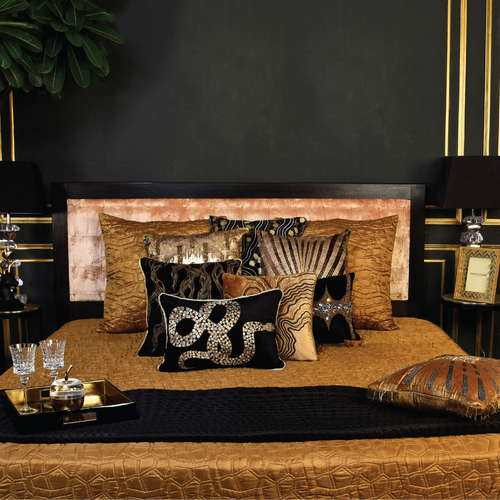
The Quiet Rule for Layering Throw Blankets So a Room Looks Intentional
A throw blanket looks intentional when its size, texture, and fold contrast with what it sits on. Match everything an...
-
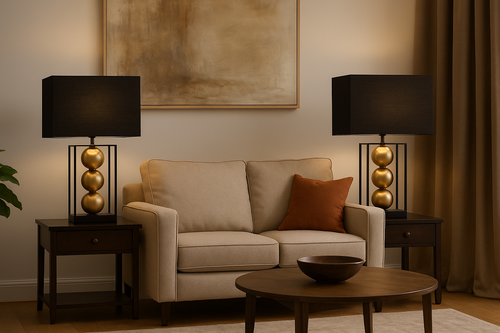
10 Stunning Ways to Style Lamps in Modern Indian Homes
Lighting is no longer just about function—it’s the soul of your home. In 2025, modern Indian interiors are embracing ...
-
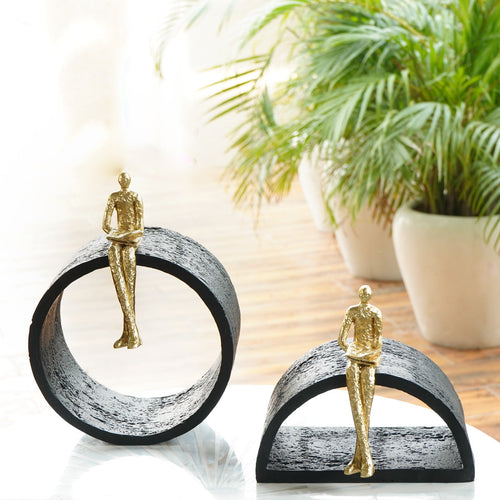
Buy Luxury Home Decor Online in India: A Complete Guide
This blog provides comprehensive knowledge on transforming your living space into a luxury haven with online luxury h...
-

5 Must-Have Luxury Decorative Items for Your Home
Transform your living space with luxury decorative items for home that reflect your particular taste and complement t...
